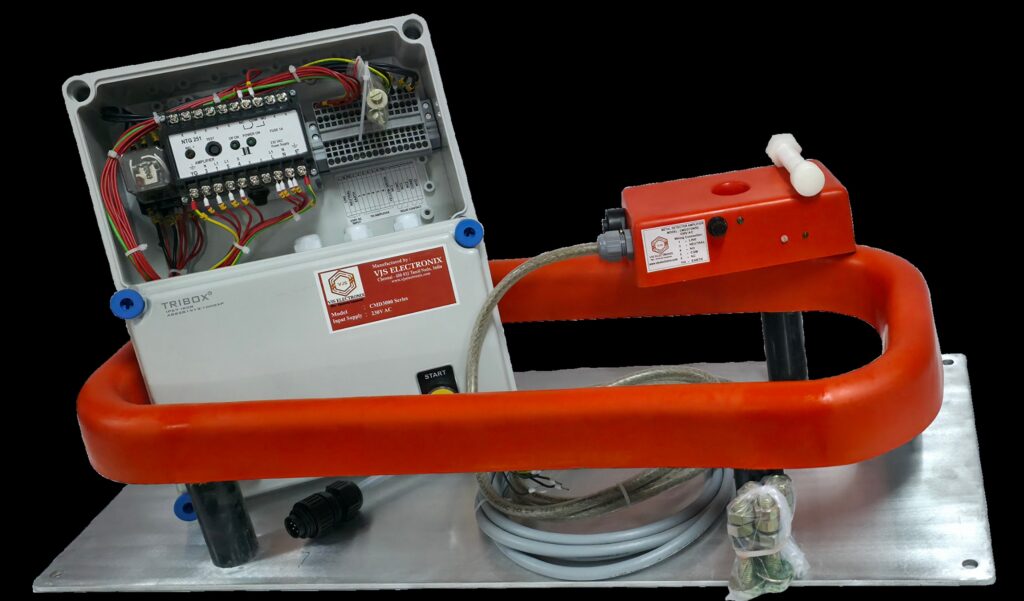
“Reliable metal detection begins with precision, consistent testing, and the right equipment settings.”
A production line can process thousands of products without interruption, yet a single missed contaminant or unnecessary rejection can create problems across an entire batch. Industrial metal detection depends on more than switching on a machine; it usually requires suitable sensitivity settings, correct installation, regular testing, and an understanding of the products that are being inspected. Even small inconsistencies can lead to contaminated products passing through, acceptable items that are being rejected, or production schedules being disrupted. Choosing suitable equipment and configuring it correctly are therefore important parts of manufacturing quality control. Experienced Metal Detector Manufacturers in India can help businesses evaluate detection requirements and select systems that suit their products, production speeds, packaging materials, and operating conditions.
Sensitivity settings allow for a metal detector to be a more effective detector based on how well it can detect the contaminants as they pass through the detection zone. If set too low, some metallic pieces might be missed. In the event that these are unnecessarily high, acceptable products may lead to a number of false alarms and the rejection of products. The optimum configuration will vary depending on product, contaminant type, packaging and production environment. The balance of detection ability and production efficiency are maintained through a careful adjustment.
Metal detection performance can be affected by product temperature, moisture, composition, size, and packaging. A successful set-up for one product could not be the same for another. Failure to recognize these differences could result in false alarms or decreased effectiveness in contaminant detection. Product variations and detector settings can be monitored during changeovers to ensure consistency of inspection.
Product-related factors include:
A metal detector’s placement may impact its ability to analyse products and fit into production lines. The wrong positioning can lead to products passing through unevenly, cause unnecessary delays or make it hard to spot and remove rejects. The detector should be set up in accordance with the instructions provided by the equipment manufacturer and the requirements of the inspection process, taking into account the conveyor, the product flow and the surrounding equipment.
Installation considerations include:
A false rejection is when a detector flags a product as contaminated when the product contains no metal contaminant, which is being tested for. These false rejections can lead to product wastage, production delay and manual inspection. May be caused by incorrect settings, product effects, electrical interference or equipment operation instabilities. Rather than just lowering sensitivity, investigation is more helpful to determine the cause, and if there is suspected contamination, the system may not be as effective in detecting actual contamination.
False rejection risks can be reduced through:
A metal detector should be tested regularly to ensure it meets the required performance. Inconsistent testing and not completing tests can fail to identify performance issues. Test should be conducted in accordance with equipment manufacturer’s instructions and site’s quality management systems. Records of test results also enable teams to highlight any recurring issues and show that inspection checks are being consistently carried out.
Testing practices include:
Motors, variable-frequency drives, electrical cables, conveyors, etc., which can affect detector stability, may be present in industrial environments. The detector might give inconsistent readings, false alarms or cause problems in the operation, depending on the design and installation. These risks can be identified during installation and investigated when issues arise to enhance detection reliability without the need to disrupt production.
Interference-related checks include:
The identification of contamination constitutes a single stage in the inspection process. When the automatic rejection system does not take out the affected product, contaminated products can move on the production line. Issues can arise if the timing of rejection is wrong, actuators fail, the sensors fail or the rejected parts are not separated properly. Therefore the complete detection/rejection sequence ought to be tested as a whole instead of testing the detector only.
Rejection system checks are:
If a metal contaminant is not detected, the implications may go beyond one product. Depending on the process, affected batches can be subject to further inspection, product holds, investigation, or rework. These events may cause production delays and loss of profits. Having a clear response procedure can assist a team in determining which products are impacted, possible cause, and corrective actions before normal production resumes.
Incident management should include:
Metal detection in mass production involves the successful interaction of the whole inspection process including proper sensitivity, effective rejection system, and systematic performance assessment. Even a slight technical mistake may result in unnecessary losses or contamination in products and even interfere with the schedule of production. Experienced Metal Detector Manufacturers in India can help businesses assess product characteristics, operating conditions, and inspection requirements when selecting an appropriate system. The experienced manufacturers of metal detectors in India can assist companies in the selection of the proper inspection system by analyzing product features, operational conditions, and the inspection process.
Detection errors can result from incorrect sensitivity settings, product variations, poor installation, electrical interference, inconsistent testing, or faulty rejection mechanisms.
Manufacturers can optimise detector settings for each product, maintain consistent product handling, investigate interference, and regularly verify detection performance.
Regular testing helps confirm that the detector can identify the required test pieces under specified operating conditions and that the inspection process continues to perform as expected.
Packaging materials, particularly foil or metallised materials, can interfere with some metal detection technologies. The suitable system depends on the product, packaging, and required detection performance.
Evaluate the manufacturer’s technical expertise, product suitability, detection capabilities, quality testing procedures, installation support, and after-sales service based on your production requirements.
Looking for the best Metal Detector in India? Well, we are the top Metal Detector Manufacturers in India. Best Manufacturers, Suppliers of Industrial Metal Detector, Stone Crusher Metal Detector, Crusher Conveyor Metal Detector, Stone Crusher Spare Part, Metal Detector Amplifier, NTG 251 Amplifier, Metal Detector Coil 650mm in India.
© Copyright 2026 VJS Electronix All Rights Reserved. and Developed By