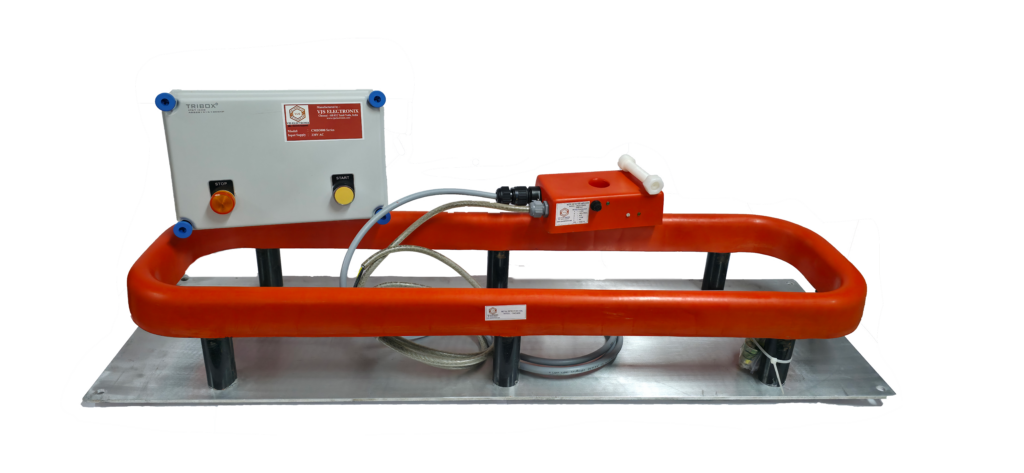
“Protecting a crusher means paying attention to what travels along the conveyor, not just what enters the machine.”
A single piece of unwanted metal travelling with crushed stone can turn a routine production cycle into an expensive equipment problem. In crushing plants, raw materials move continuously along conveyor belts before reaching crushers, screens, and other processing equipment. Metallic objects such as broken tools, wire fragments, and scrap metal may accidentally enter this material flow, creating a risk of equipment damage and unplanned stoppages. Conveyor metal detectors help identify these unwanted contaminants before they reach sensitive machinery, supporting smoother plant operations. Understanding their working principles and practical advantages can help operators choose suitable detection systems. Experienced Stone Crusher Metal Detector Manufacturers in India can help businesses evaluate conveyor configurations, operating conditions, and detection requirements to select equipment suited to their crushing operations.
A conveyor metal detector is a metal detector which is developed to detect unwanted metal objects that are added to materials in a conveyor belt system. In stone crushing plants, it is used to identify metal pieces prior to they enter crushers or other delicate machinery. The detector senses the material as it goes through the sensing zone and sends an alarm or operates a suitable reject or stop mechanism when it detects metal. The system should be chosen based on the layout of the conveyor, properties of the material and operating conditions.
Stone crushing machine, which is used to crush heavy materials and strong materials, applies strong mechanical force. The presence of a metal item in the crushing chamber can lead to damage to wear parts, cause operation problems, or result in an unexpected shutdown. When combined with a suitable response mechanism, conveyor metal detectors improve protection of the machine by detecting the presence of unwanted metal before it enters the machine.
Unexpected damage to equipment may cause material processing to be interrupted and impact production schedules. If tramp metal appears at a crusher, operators might have to shut down the line, check the equipment, remove the metal and make repairs. Some of these disruptions can be mitigated by using conveyer metal detection to detect contaminants before they get into sensitive equipment.
Reducing downtime may include:
Crushing plant contamination may occur as a result of a material being transported, a damaged tool, a scrap piece or a worn part of equipment. The same objects can be hard to identify only by looking after they have been mixed with aggregates. Positioning an appropriate detector at an appropriate location on the conveyor can enable detection of potential hazards before they reach downstream equipment.
Material handling protection consists of:
The crushing plants are likely to be working for long hours, crushing tons of stone and aggregates. The conveyor metal detector can detect metal without a human operator having to physically inspect each load. It’s effective if installed properly, set up right, checked on a regular basis, and incorporated into the plant operation.
Continuous monitoring benefits include:
The size, shape and composition of metal contaminants may change; they may be oriented or not. Wires, broken tools, bolts and parts of machinery can be thrown into the conveyor stream. The detector’s technology, sensitivity settings and installation, as well as the operating environment are all factors in its ability to detect these objects. It is important to know what the probable contaminants are to choose and set-up the right system.
Detection considerations include:
Crusher repair work may consist of replacement parts, labor, equipment inspections and lost production time. While a metal detector does not prevent all equipment failures, it can help to minimize the likelihood of some preventable failure modes occurring if it is used to detect tramp metal before it reaches the crusher. The value of the system is based on the contaminants involved, the protection to be provided and how the plant reacts to an alert for contamination detection.
Maintenance-related advantages include:
Also Read this: The Role of Metal Detection in Modern Manufacturing
The width of the conveyor, belt speed, material load, and environment vary with different crushing plants. The proper metal detector should meet these requirements and have the proper detection capability to protect downstream machinery. When purchasing, it’s important to consider how the system will communicate with conveyor controls and how it can be inspected and maintained following installation.
When choosing a system, it is important to take into account:
In a stone crushing plant, preventing equipment damage begins before raw materials enter the crushing chamber. Conveyor metal detectors provide an additional layer of protection by identifying unwanted metallic objects moving with stone and aggregates. Their effectiveness depends on correct positioning, suitable sensitivity settings, dependable alarms, and an appropriate response mechanism. Selecting a system that matches the conveyor layout and operating environment can help reduce avoidable breakdowns, maintenance interruptions, and production losses. Experienced Stone Crusher Metal Detector Manufacturers in India can help businesses evaluate their detection requirements and identify suitable equipment for their crushing operations. With proper installation, regular testing, and preventive maintenance, conveyor metal detection can support more consistent production and reliable protection for critical machinery.
Conveyor metal detectors identify unwanted metal in moving stone and aggregate materials before it reaches crushers or other sensitive equipment. This helps reduce the risk of damage and unexpected production interruptions.
Depending on its design and configuration, a detector may identify ferrous and certain non-ferrous metals. Actual performance depends on the metal type, object size, material characteristics, and operating conditions.
It should be positioned at a suitable point on the conveyor before the equipment being protected, allowing enough time for an alarm, conveyor stop, or other appropriate response.
No. It can help identify certain metallic contaminants, but its effectiveness depends on proper selection, installation, settings, testing, and response arrangements. Other maintenance and equipment protection measures remain important.
Compare the manufacturer’s experience with crushing applications, detection capabilities, conveyor compatibility, environmental suitability, testing procedures, installation support, and after-sales service.
Looking for the best Metal Detector in India? Well, we are the top Metal Detector Manufacturers in India. Best Manufacturers, Suppliers of Industrial Metal Detector, Stone Crusher Metal Detector, Crusher Conveyor Metal Detector, Stone Crusher Spare Part, Metal Detector Amplifier, NTG 251 Amplifier, Metal Detector Coil 650mm in India.
© Copyright 2026 VJS Electronix All Rights Reserved. and Developed By