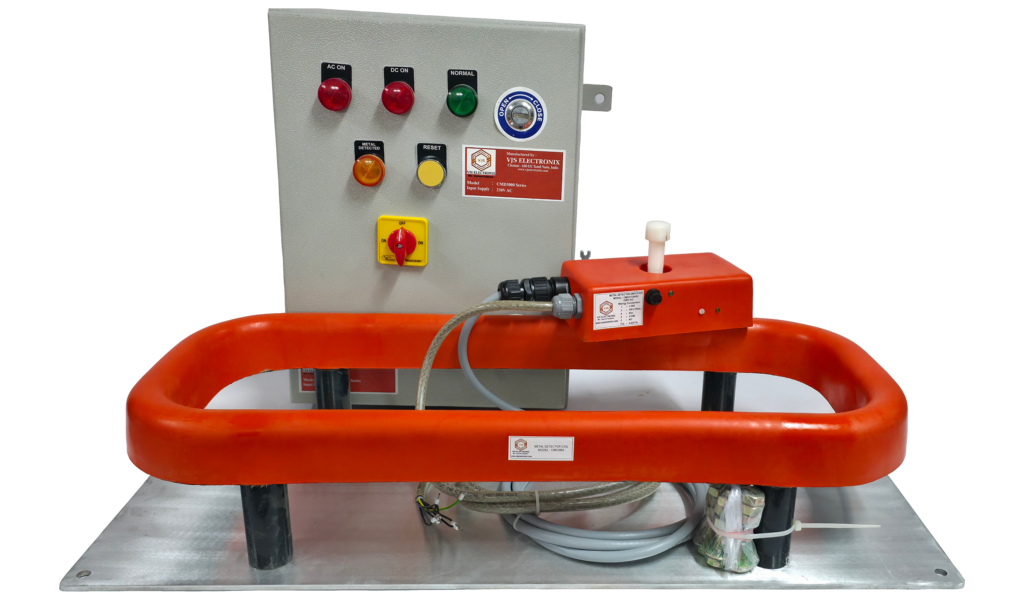
Metal detection is an essential component in safeguarding equipment in manufacturing processes as well as maintaining product quality and preventing unwanted metal contamination. But there are times when it is not easy to accurately detect metal objects. The performance of a metal detection system to identify unwanted metal particles can be affected by various materials, operating conditions, machine settings and installation conditions.
When choosing and using equipment to satisfy their manufacturing needs, it is essential to understand these factors for reliable Industrial Metal Detector Manufacturers in India. No matter how well designed the metal detector is, if not installed, configured or maintained, it can produce inconsistent results. Familiarity with factors that can impact detection accuracy can help industries minimise false alarms, downtime, and enhance overall operation efficiency.
Let’s dive into this blog to explore the 7 key factors that influence metal detection accuracy in industrial environments, along with practical ways to improve detection performance, reduce false alarms, and maintain reliable production operations.
Precision in metal detection is the foundation of safer and more reliable industrial operations.
The physical properties of metal contaminants have a direct influence on detection performance. Most industrial metal detectors are designed to have the ability to detect a wide variety of metallic materials, but they will typically detect some of them more easily than the others depending on their composition, shape and size. For instance, there is a difference between existence and non-existence in the case of ferrous metals like iron and steel, which are more easily detectable due to their magnetic properties. Different responses to detection are required for each non-ferrous metal, such as aluminium and copper. The magnetic and electrical properties of the stainless steel grade and composition can make it more difficult to work with. Knowing what contaminants are present at the business can assist companies in choosing the appropriate detection gear and sensitivity.
There are a number of factors that affect the detection sensitivity of several characteristics:
The material passing through an industrial metal detector can sometimes influence its ability to identify unwanted metal. This is referred to as the product effect. Moisture, conducting salts, minerals or other components in products can lead to signals being mistaken for metal contamination. This can pose further difficulty in the food processing industry, pharmaceutical production, and those with wet materials or minerals in production.
The moisture content of the product can have an impact on electromagnetic signals during inspection, for example. Detection is also affected by different temperatures and/or conductivity of materials. Often, a detection system designed for the detection of one material may fail to give the same results when another material is used. So, product characteristics should always be taken into account when designing the equipment and setting it up.
How can industries manage product effects?
Speed of production is one of the crucial factors that affects the precision of a metal detector. Conveyor systems are typically used in industrial processes for continuous operations, ensuring production targets are met. But the process of passing materials through the detector can be different depending on the speed of the materials. A high product speed can be a problem because it leaves less time for the detection system to detect and process signals.
This can impact the ability of the detector to reliably detect smaller-sized metal particles, depending on the characteristics of the contaminant, the design of the detector and the signal processing. If there are fluctuations in the amount of material supplied, there may be other issues with uneven material flow. Inconsistent overlapping, collecting or passing materials through the inspection area may cause some areas of the area not to be inspected uniformly by the detector.
Also Read This: Top Benefits of Conveyor Metal Detectors in Crushing Plants
A metal detector’s location can have an appreciable impact on its performance. There are several machines, electrical systems, motors and moving metal structures in the industrial environment that can affect the detector’s electromagnetic field. Electrically installed near another piece of equipment, or a large metal building, may produce undesirable signals. These disruptions may lead to false alarms or irregular readings.
Businesses should take the following into account before using a detection system:
Electrical equipment like variable frequency drives, welding machines, motors, generators and power distribution systems are used in industrial facilities. These can be used to generate electromagnetic interference as well as production. The working of a detector is based on electromagnetic principles. Disturbing electrical noise outside the machine may throw similar magnetic signals into the magnetic field of the machine, resulting in false alarms or unreliable contamination rate readings. This is especially significant in the case of manufacturing plants where a number of electrical machines are working concurrently.
Examples of sources of interference are:
These effects should be minimised when installing an industrial facility in accordance with the detector manufacturer’s recommendations. Reducing interference and possible causes through proper grounding, appropriate cable shielding, equipment separation and electrical inspections will help lower the issues of interference. If an alarm occurs for no apparent reason multiple times, it is helpful to review the electrical environment in the surrounding area of the detector before adjusting the detector’s sensitivity setting.
Proficiency in the use of the most sophisticated metal detection requires tuning and testing as well. The system can be calibrated and sensitised to ensure that it performs as per the purpose of inspection. If the sensitivity is set too low, some metal contaminants may not be detected. However, very high sensitivity may lead to increased rejection rates, particularly if the product generates an overwhelming signal. It is easier to detect changes in detection performance before they impact the production process with routine testing.
A prototypical verification routine might contain:
While tackling the individual detection factors is significant, to say the least, a business must also have a laid-back manner for equipment operation. Proper accuracy for the metal detection should not be just something used during installation, but should be a requirement throughout production. Excellent collaboration with experienced equipment manufacturers can also give businesses an insight into the technical needs prior to installation. For example, the right guidance helps them know what to look for in different production environments.
These are some steps that industries can take:
Better detection means fewer interruptions, improved protection, and greater operational confidence.
The accuracy of metal detectors is based on several factors, which include contaminant properties, product composition, conveyor velocity, condition of installation, electrical interference, detector calibration, and maintenance. A failure to have a view of any of these issues can impact inspection efficiency and introduce unwanted production issues. In addition to detection capabilities, when assessing Industrial Metal Detector Manufacturers in India, companies should also think about the equipment’s appropriateness to the operating environment, technical assistance, maintenance, and other needs. With good system configuration, regular testing, and good operating procedures, industries can help protect their systems, ensure reliable inspections, and maintain consistent system standards.
There are factors that affect the accuracy of detecting the presence of metallic products: kind of metal to be detected, size of product, characteristics of goods, position of mounting of the equipment, size of the tariff-a-band, setting of sensitivity, and maintenance of the equipment.
Yes. Particles that have high moisture content or conductive components might produce a product effect that affects electromagnetic signals. This can be managed using appropriate equipment setup.
There may be false alarms caused by electromagnetic field interference, improper sensitivity adjustments, product effect, machine vibration, inadequate grounding or proximity to electrical machinery.
The frequency of testing is specific to the application, production needs, and manufacturer’s specifications. It’s also recommended to perform a performance check after changes to equipment, changes to product, or maintenance jobs are performed.
Industries can improve performance by selecting suitable detection equipment, maintaining consistent material flow, following proper installation practices, conducting routine testing, and keeping the equipment in good working condition.
Looking for the best Metal Detector in India? Well, we are the top Metal Detector Manufacturers in India. Best Manufacturers, Suppliers of Industrial Metal Detector, Stone Crusher Metal Detector, Crusher Conveyor Metal Detector, Stone Crusher Spare Part, Metal Detector Amplifier, NTG 251 Amplifier, Metal Detector Coil 650mm in India.
© Copyright 2026 VJS Electronix All Rights Reserved. and Developed By